
Why Insulate
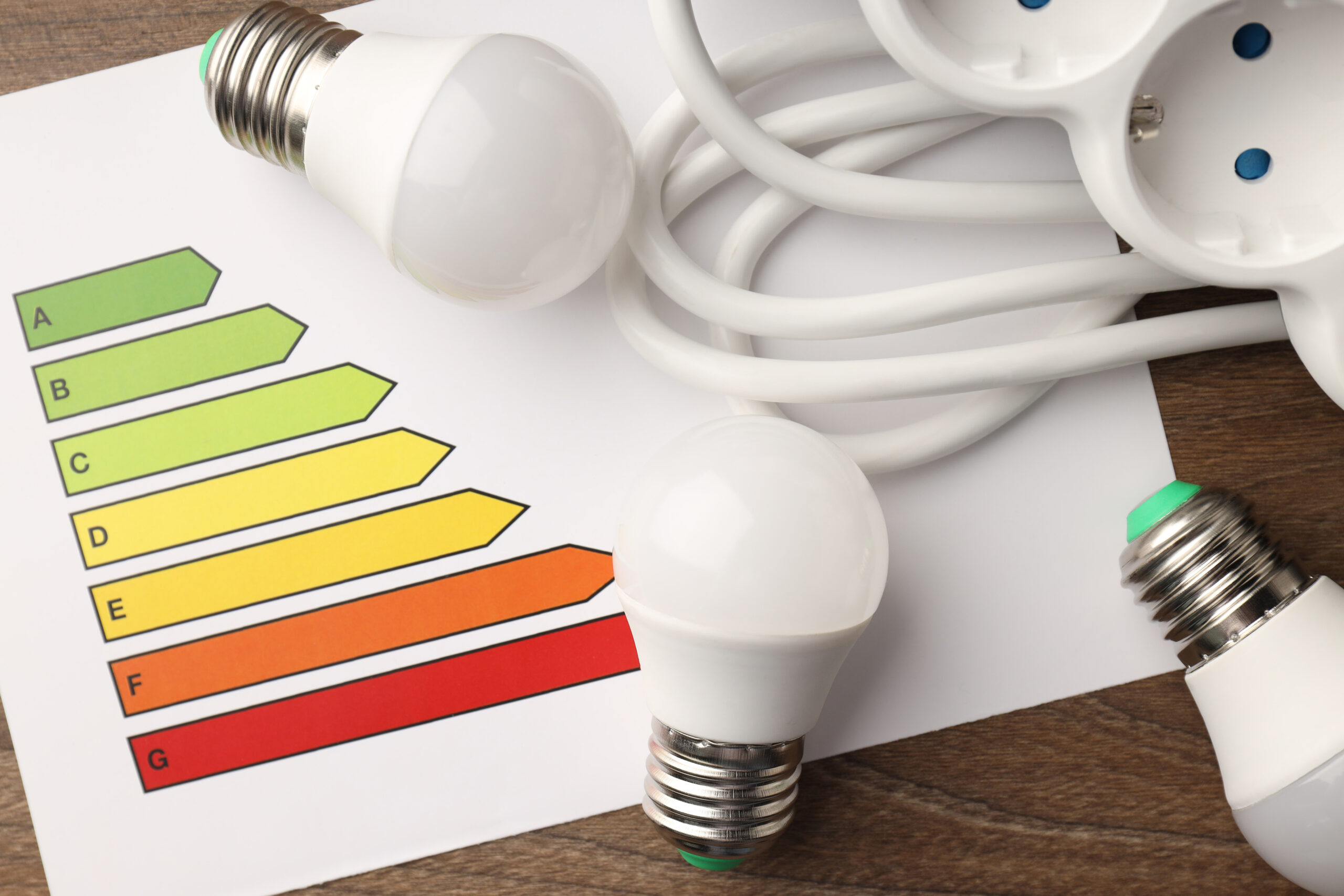
Energy Saving
Insulation is relevant in hot regions as well as cold one. In cold regions, insulation keeps the warmth inside a building and limits the need for heating whereas in regions with warm climate the same insulation keeps the heat out and reduces the need for air conditioning. Insulation acts as a barrier to heat loss and heat gain, particularly in roofs and ceilings, walls and floors.In many homes, insulation is the most practical and cost effective way to make a house more energy efficient, keeping it cooler in summer and warmer in winter and saving up to 30 per cent in heating and cooling bills. In addition, insulation may reduce condensation in the home. This can provide health benefits by reducing mould and damp.
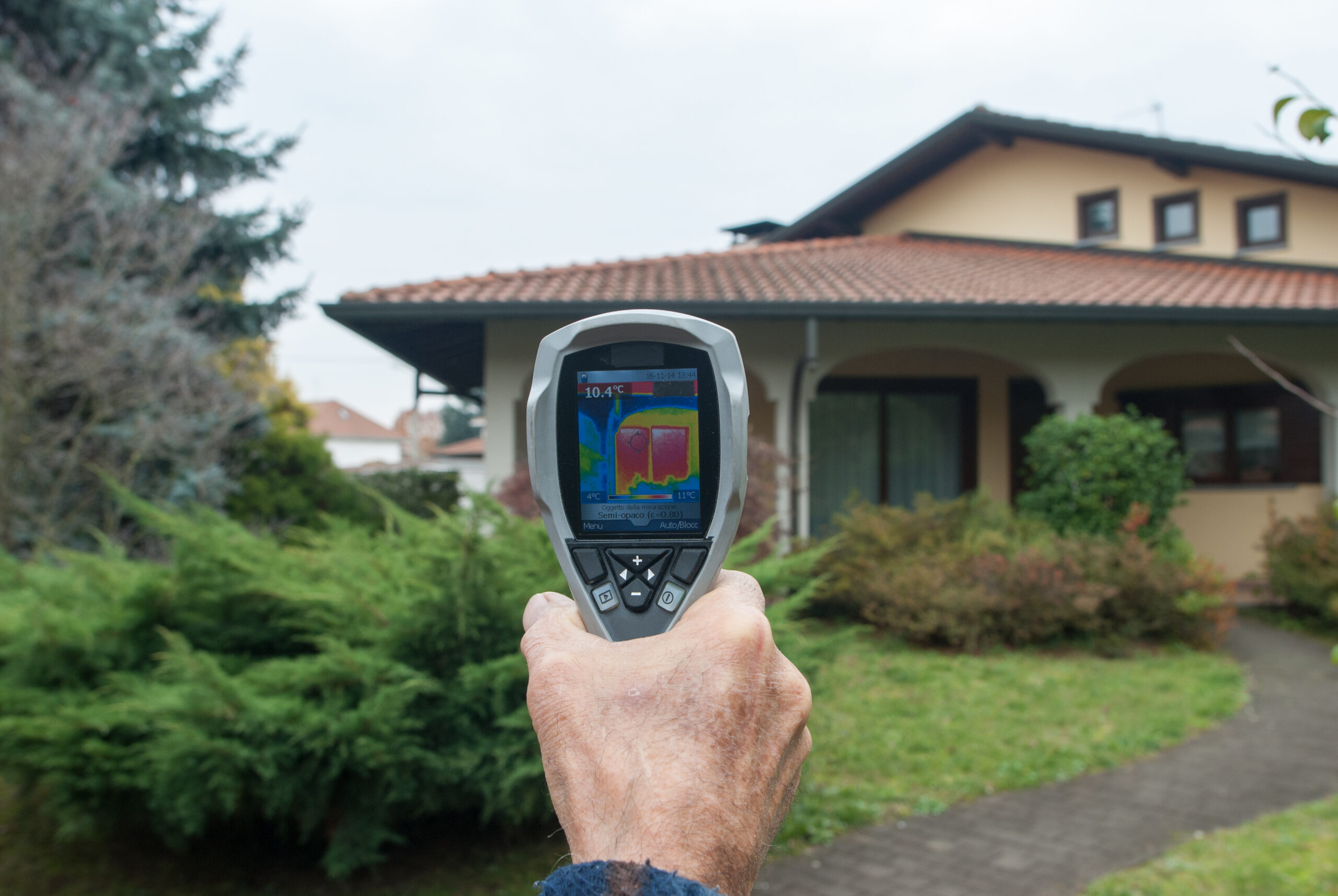
Thermal Control
Increased global energy demand calls for substantial investment in environmentally-friendly supply infrastructure. Insulation is the choice for pipes and tanks in a wide range of industries including offshore and onshore gas pipelines (LNG), pipes in the food, chemical, energy, steam and solar industries, pipes and tanks used in marine transportation of LNG and pipes used in district heating and cooling.
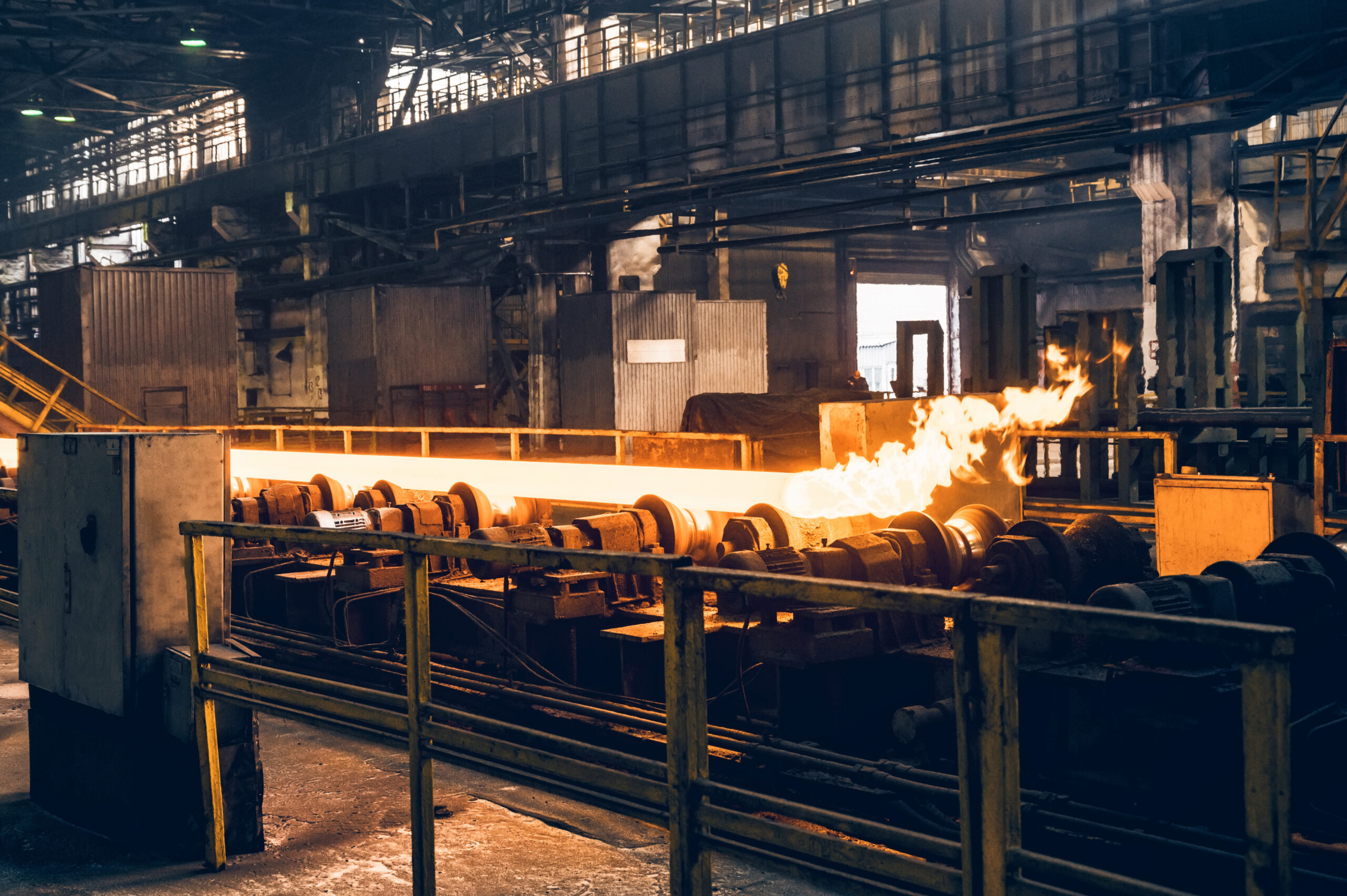
Fire Control
In case of fire, the choice of insulation material can become a vital issue in terms of casualties, property or environmental damages. Due to the nature of the raw material used, insulation products have superb fire properties. They are non combustible and their fibres have the ability to withstand temperatures exceeding 1000°C.

Noise Control
Noise is any sound independent of loudness that may produce an undesired physiological effect in an individual and that may interfere with the social comfortable level. Noise pollution can be swallowed by the usage of insulation which significantly reduce the noise pollution.